Brand Activation Photo Booth Planning Guide
How to plan a brand activation photo booth, from the goal and the station to data capture and a sponsor recap built on numbers the booth records.
Around 4 p.m. on day two, the sponsor's marketing lead walks over and asks what the booth has done so far. If the answer is "people seemed to like it," the booth is probably on next year's cut list.
A brand activation photo booth keeps its spot in next year's plan when the answer comes with numbers, and those numbers depend on a few decisions made months before load-in, mostly in meetings rather than on the show floor.
What a brand activation photo booth has to do
Event Marketer's EventTrack 2026 research, as summarized by Cvent, lists lead generation as the top priority for brands, while the same roundup cites Content Marketing Institute research saying 70% of B2B marketers measure experiential work by attendance and participation. Those goals pull a booth in different directions. A booth built to collect email addresses looks different from one built to fill a social feed.
Your vendor and whoever signs off on the creative should work from the same sentence about the goal, and your sponsor ought to see it too. Something like "collect 800 opted-in emails from procurement leads" gives the design team a target in a way "raise awareness" never does, and when both goals matter, the goal ranked first decides the form length and the frame design and usually settles where the booth sits.
Pick the station by the goal
Our custom brand activation work starts from this question, because the hardware follows the goal.
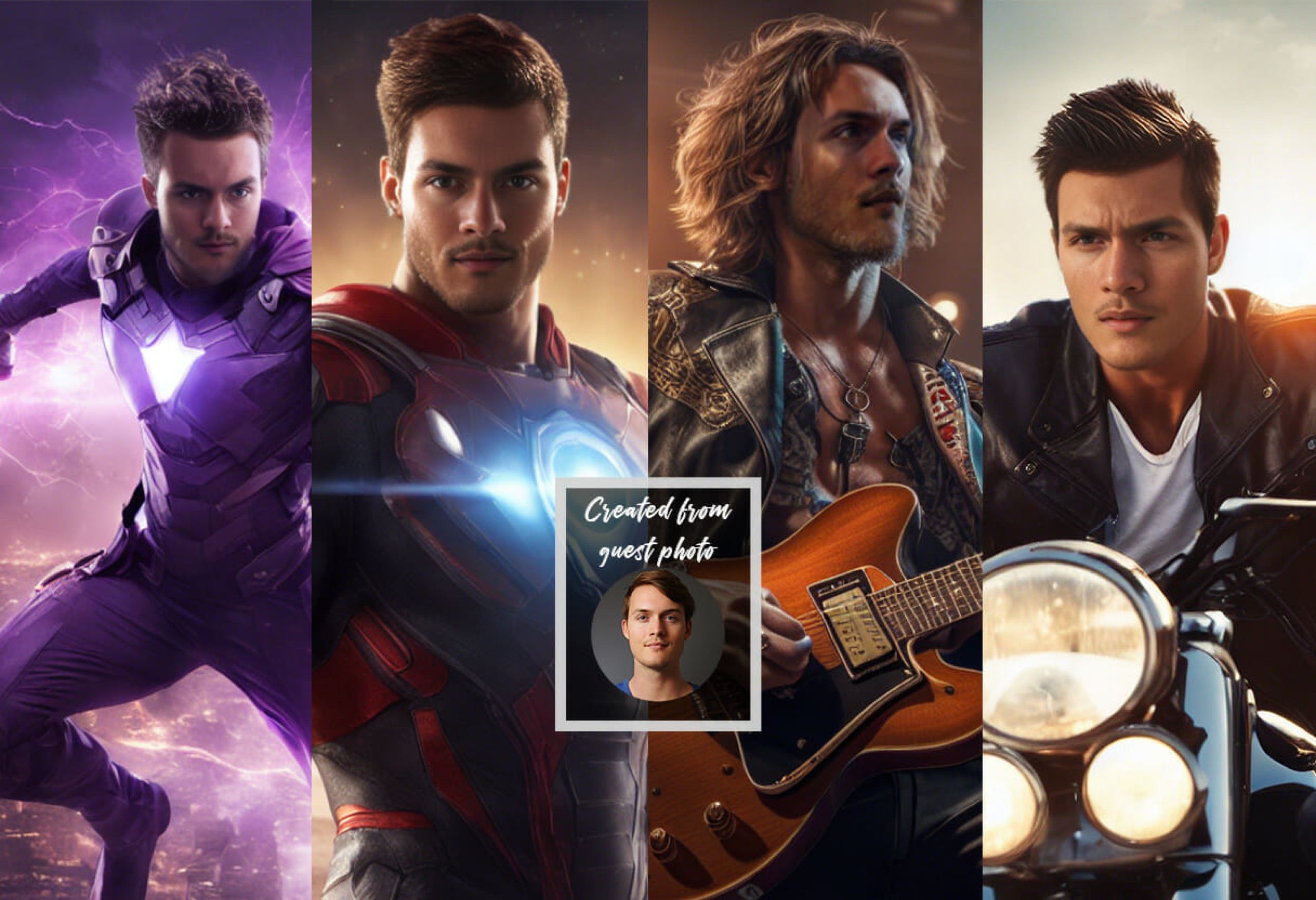
For social reach, an AI photo booth activation turns guests into a character or a scene from your product world, and they post the result because it flatters them. Our AI stations peak around 180 captures an hour, which suits a crowd arriving in waves. A look built from your palette and your product carries your name with every share.
If you want collection and conversation, AI trading cards give each guest a card with a name and stats, digital at once and printed if you like. People trade them. Strangers end up talking at your booth.
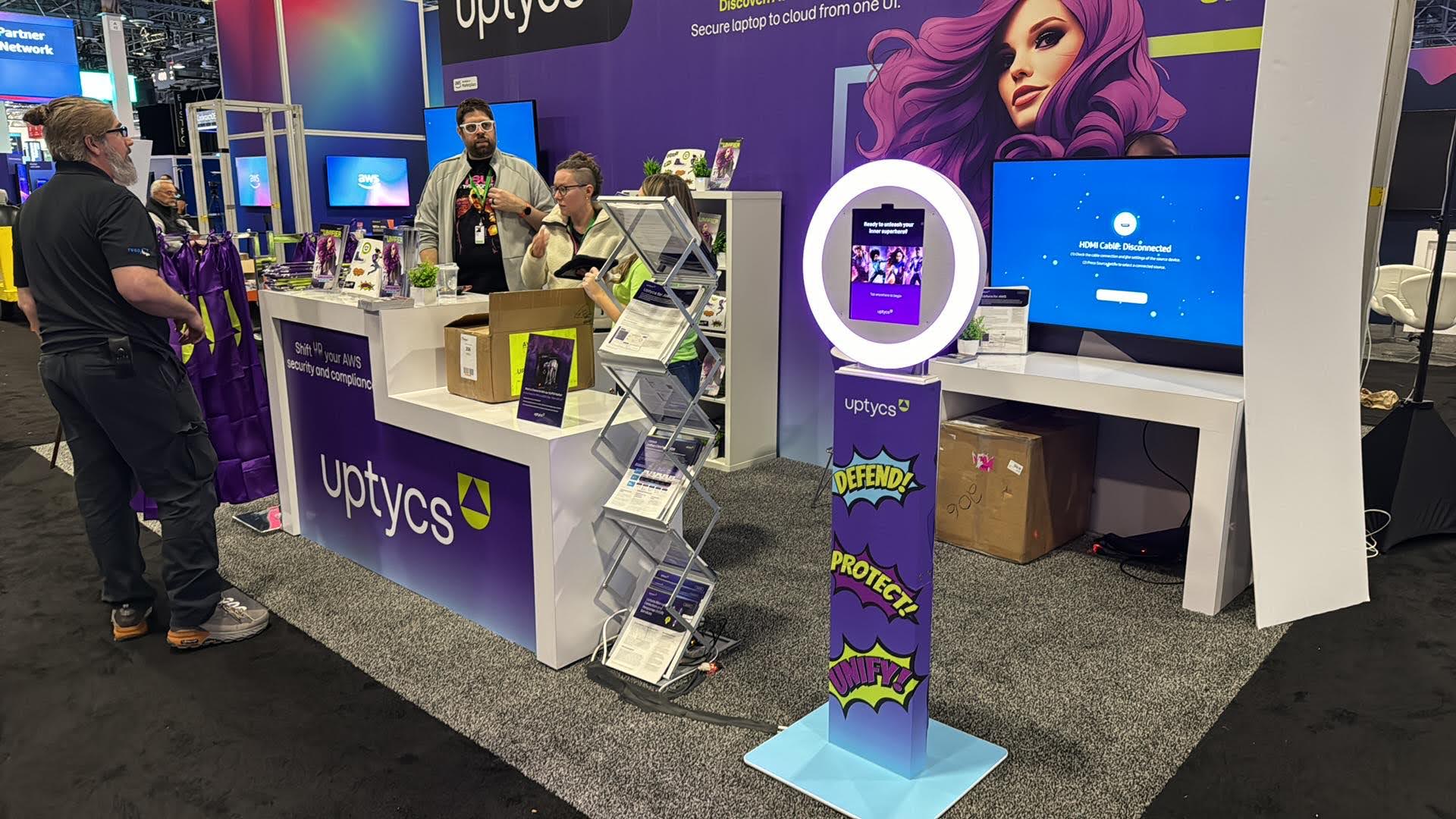
For a trade show floor with a small exhibit footprint, the trade show photo booth collects leads through a short form, with custom surveys and an analytics dashboard included. Photos stay hosted for six months. That gives your sales team a reason to send a second email.
And when the room is a reception or a red carpet, a roaming photographer takes 40 to 60 photos an hour without any queue at all.
Place it where people already slow down
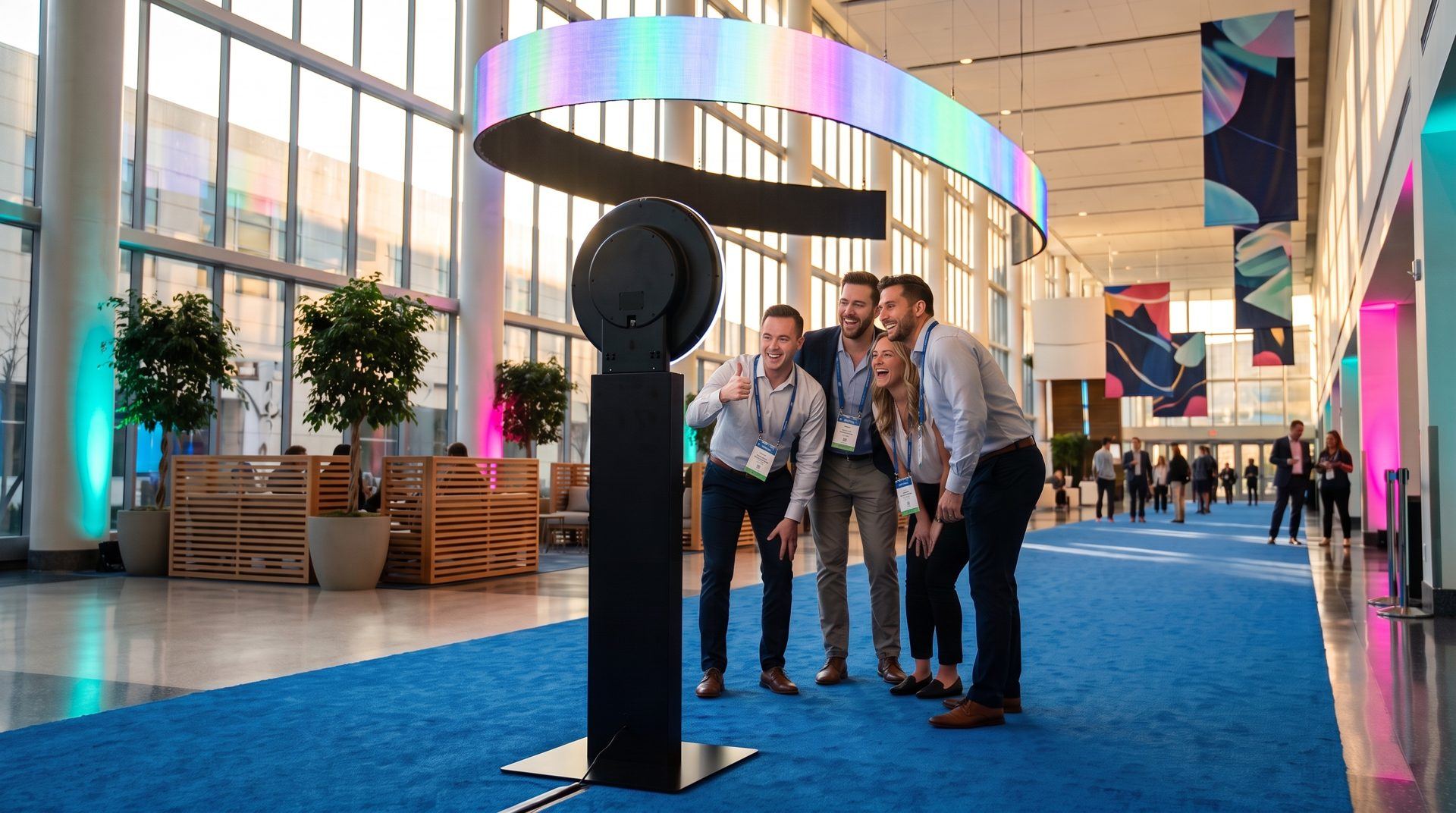
Entrances, registration, the coffee line and the path between sessions all work well, since people are already slowing down there. A booth in the back corner of a hall gets few visitors, whatever the creative looks like.
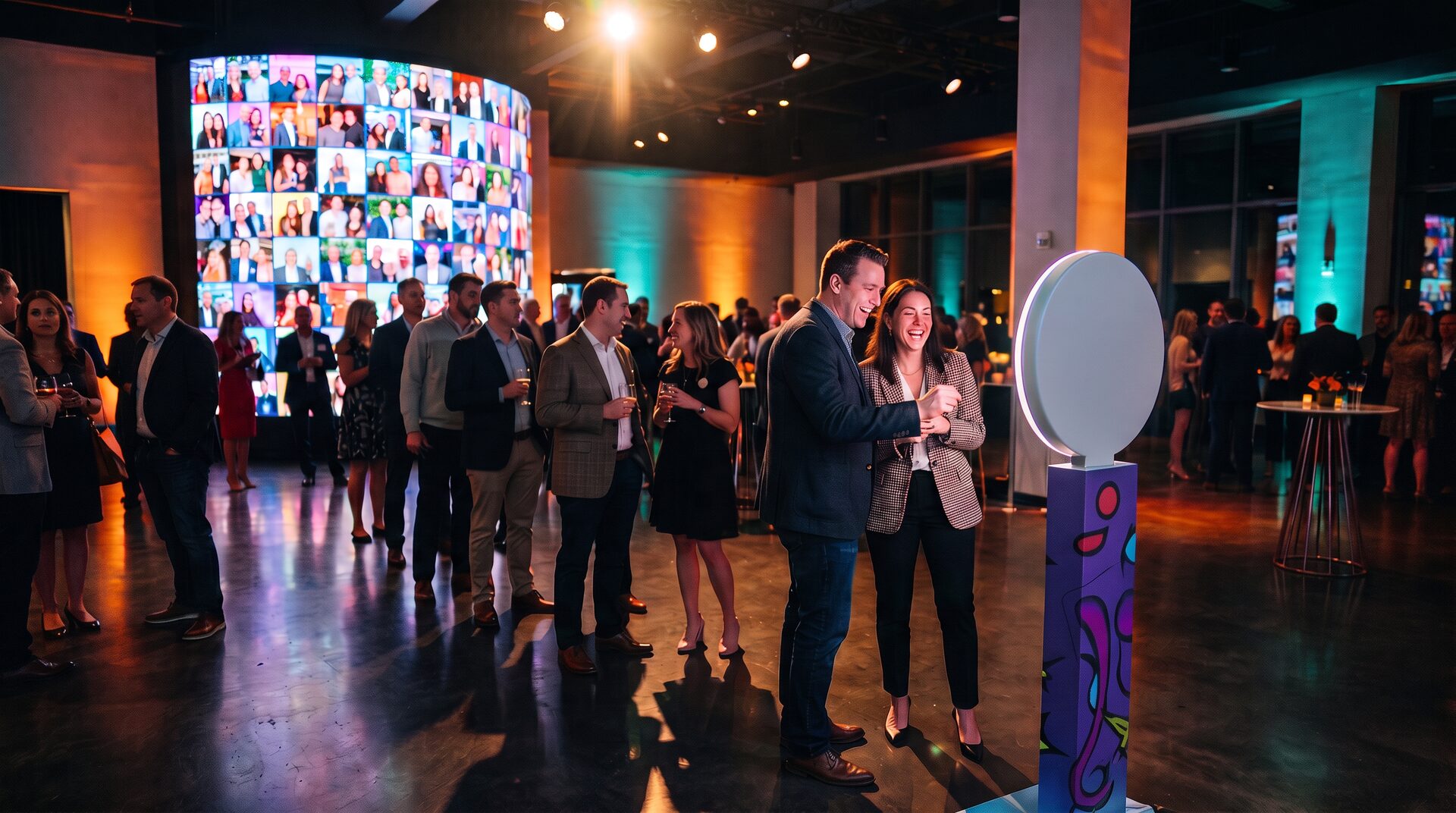
A live gallery screen above the station draws people over from across the room by showing what they are about to get, and moderation controls keep anything unexpected off the wall.
For a pop-up or a retail takeover, the space should be measured before the station is chosen, because a full branded room needs a different floor plan than a single kiosk. Your vendor should send the footprint before you sign.
Decide what data you collect before anything else
Every extra form field costs sign-ups. Most activations do well with an email address or a phone number and one optional question that tells sales who they are talking to, such as role or company size.
Before the creative is approved, it helps to have four answers written down, covering what guests agree to when they enter their contact details, who receives the list the next morning, when the first follow-up goes out and which tool holds the list in between. A contact who hears from you a month later has usually forgotten the booth.
European attendees bring consent rules, so a vendor should be able to say how consent is recorded. Ours handles GDPR-compliant collection on the trade show station, and the same question belongs on any quote you compare against ours.
Get approvals out of the way early
Brand teams and sponsors each run their own review cycle, and logo approvals are where schedules most often slip, so it pays to find out who signs off on the frame and the AI theme and to get sample outputs in front of them before the production run. Showing real faces in those samples saves a second round, since a theme approved from a mockup alone tends to draw edits once real guest photos appear. A sponsor's legal team sometimes wants to read the consent text as well, so it helps to send that along with the frame rather than after it.
Staff for the peak
A booth open eight hours straight will sit idle for much of the day and then jam for forty minutes after a keynote, so the schedule should follow the run of show, with two attendants for the busy windows and one for the quiet stretches. Hours can follow those windows if the sponsor agreement allows.
On multi-day events, a new frame or a different theme each morning gives repeat visitors a reason to return, and the gallery gets more variety for the post-show recap.
Power and connectivity need attention early. Instant sharing wants about 5 Mbps, and convention networks bog down on opening morning, so every vendor should be asked what happens when the signal drops. Our stations queue captures offline and send them once the connection returns. Our conference photo booth planning guide walks through show services power orders and the deadlines that raise the price.
What to report afterward
A sponsor will want a one-page recap within a week of the show, and the numbers for it come from what the booth records automatically. Captures make the headline count. Beside it go the guests who shared a photo, the guests who opted in and the share of total traffic they make up. A short survey adds answers, and a handful of the best photos beside the numbers helps a sponsor who sees their logo on a guest's grin remember the recap.
A recap reporting 600 sessions and 350 opted-in emails over a three-day show makes a stronger case than "thousands of impressions." Sponsors say so in the next budget meeting.
Where we run these
We build and operate activations in-house. The crew on site is ours too, so late changes to a theme or a data flow never wait on a third party. Teams planning a launch or sponsor lounge in Los Angeles start with a call about footprint and goal, and a quote comes together fastest when it begins from the goal sentence and a measured floor plan. Our brand activations page shows the formats we run most often.
Planning an activation and need the numbers to hold up?
Tell us the event, the dates and the result your sponsor cares about most. We will send back a station recommendation, a footprint and a reporting plan.
Get a Quote